
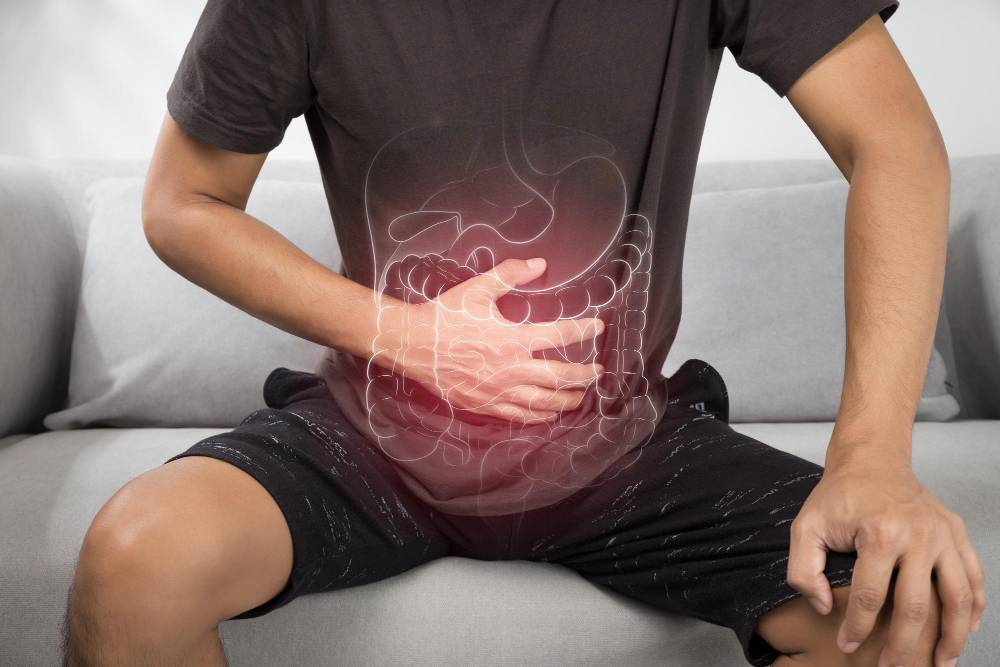
Introduction
Irritable Bowel Syndrome (IBS) is a common condition that affects the digestive system. Many people wonder how IBS and digestion are linked. IBS can cause stomach pain, bloating, and changes in bowel habits. Because it affects how your gut works, IBS can make digestion uncomfortable. In this blog, you will learn what IBS is, its symptoms, and how it impacts digestion. You will also find tips for managing IBS and improving your digestive health.
What Is IBS?
IBS stands for Irritable Bowel Syndrome. It is a long-term problem with the large intestine, also called the colon. Although IBS does not damage the gut, it can cause ongoing discomfort. For many, IBS symptoms come and go. However, it is not the same as other digestive diseases like Crohn’s disease or ulcerative colitis. IBS is a functional disorder, which means the gut looks normal but does not work as it should. According to the World Health Organization (WHO), IBS affects about 10-15% of people worldwide.
Common Symptoms of IBS
IBS symptoms can vary from person to person. Still, some signs are more common. If you have IBS, you may notice:
Sometimes, symptoms get worse after eating certain foods or during times of stress. But, not everyone with IBS has all these symptoms.
How IBS Affects Digestion
IBS changes the way your gut moves and feels. Normally, your gut muscles move food smoothly through the digestive tract. However, in IBS, these muscles may contract too much or too little. As a result, you may have diarrhea or constipation. In addition, IBS can make your gut more sensitive. Even small amounts of gas or stool can cause pain. Because of this, digestion may feel uncomfortable or unpredictable. For example, you might feel bloated even after a small meal. Or, you may need to rush to the bathroom without warning. These changes can affect your daily life and how you enjoy food.
Causes and Risk Factors
Doctors do not know the exact cause of IBS. However, several factors may play a role. These include:
Additionally, women are more likely to have IBS than men. Symptoms may also be worse during menstrual periods. While IBS can affect anyone, it often starts before age 50.
Diagnosis of IBS
There is no single test for IBS. Instead, doctors use your symptoms and medical history to make a diagnosis. Often, they ask about your bowel habits and any pain or discomfort. Sometimes, they may do blood tests or stool tests to rule out other problems. In some cases, a doctor may suggest a colonoscopy if you have warning signs like weight loss or bleeding. According to the Centers for Disease Control and Prevention (CDC), IBS is diagnosed when symptoms last at least three months and no other cause is found.
Treatment Options for IBS
Although there is no cure for IBS, many treatments can help manage symptoms. Your doctor may suggest:
Because IBS is different for everyone, treatment plans may vary. Therefore, it is important to work with your doctor to find what works best for you.
Lifestyle Tips for Managing IBS
Simple changes can make a big difference in IBS symptoms. For example, you can try these tips:
In addition, getting enough sleep and managing stress can help reduce flare-ups. However, always talk to your doctor before making big changes to your diet or routine.
Prevention and When to Seek Help
IBS cannot always be prevented. Still, healthy habits may lower your risk. For instance, eating a balanced diet and staying active can support gut health. If you notice ongoing stomach pain, changes in bowel habits, or blood in your stool, see a doctor. Early care can help rule out other problems and start the right treatment. Remember, severe or sudden symptoms should never be ignored.
Consult a gastroenterologist at Care Age Multispeciality Clinic for personalized advice on IBS and digestive health.