
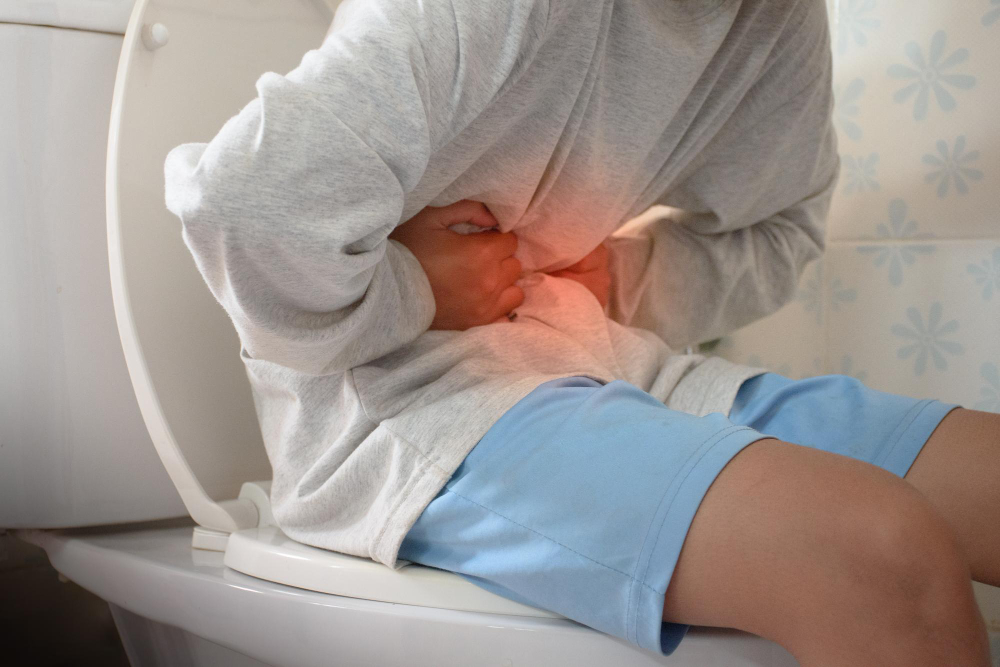
What Is Constipation?
Constipation means having fewer bowel movements than usual. Often, stools become hard or dry. This can make them hard to pass. Most people have constipation at some point. However, it can be uncomfortable and affect daily life. Understanding the causes of constipation can help you prevent it.
Common Causes of Constipation
Many things can lead to constipation. Sometimes, it is due to simple lifestyle habits. Other times, it may be linked to health conditions. Here are some common causes:
According to the World Health Organization, lifestyle factors are a leading cause of constipation.
Symptoms to Watch For
Constipation can show up in different ways. For example, you may notice:
Sometimes, you may also feel tired or uncomfortable. If symptoms last more than a few weeks, it is important to seek help.
Diagnosis Methods
Doctors use several ways to find the cause of constipation. First, they will ask about your symptoms and habits. Next, they may do a physical exam. Sometimes, tests are needed, such as:
Early diagnosis helps find the right constipation remedies for you.
Effective Prevention Strategies
There are many ways to prevent constipation naturally. For instance, you can:
These simple steps can improve your digestive health and help you avoid constipation.
Lifestyle and Dietary Tips
Making small changes can make a big difference. Here are some digestive health tips:
Additionally, keeping a food diary can help you spot foods that may cause problems.
When to Seek Medical Help
Most cases of constipation are mild and go away with home care. However, you should see a doctor if you:
These signs may point to a more serious problem. Therefore, it is best to get checked by a healthcare provider.
In summary, knowing the causes of constipation and following simple prevention tips can help you stay healthy. If you have ongoing problems, consult a gastroenterologist at Care Age Multispeciality Clinic for personalized advice on managing constipation.