
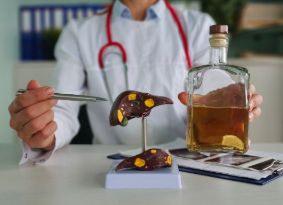
Introduction
Your liver is a vital organ that keeps your body healthy. It helps remove toxins, store energy, and support digestion. However, drinking too much alcohol can harm your liver. In fact, excess alcohol affects your liver health in many ways. Over time, this can lead to serious problems. Understanding these risks can help you make better choices for your well-being.
What Does the Liver Do?
The liver is one of the largest organs in your body. It performs many important jobs, such as:
Because the liver does so much, keeping it healthy is very important. If the liver is damaged, your whole body can suffer.
How Alcohol is Processed by the Liver
When you drink alcohol, your liver works hard to break it down. First, the liver changes alcohol into a less harmful substance. Then, it removes this from your body. However, the liver can only process a small amount of alcohol at a time. If you drink too much, the extra alcohol stays in your body longer. As a result, this can damage liver cells and cause inflammation.
Effects of Excess Alcohol on Liver Health
Drinking too much alcohol puts a lot of stress on your liver. Over time, this can lead to:
Eventually, these changes can cause alcoholic liver disease. This is a serious condition that can affect your whole body. According to the World Health Organization (WHO), alcohol is a leading cause of liver disease worldwide.
Common Liver Conditions Caused by Alcohol
Excess alcohol can lead to several liver problems. Some of the most common include:
Not everyone who drinks heavily will develop all these conditions. But, the risk increases with the amount and length of drinking.
Symptoms of Alcohol-Related Liver Damage
Early liver damage may not cause any symptoms. But as the damage gets worse, you may notice:
If you notice these signs of liver damage from alcohol, it is important to seek medical help right away.
Diagnosis and Medical Evaluation
If your doctor suspects liver problems, they will ask about your drinking habits. Next, they may order blood tests to check liver function. Sometimes, imaging tests like ultrasound or CT scans are used. In some cases, a liver biopsy may be needed. Early diagnosis can help prevent further damage and improve recovery.
Treatment and Recovery Options
Treatment depends on how much damage has occurred. However, stopping alcohol use is the most important step. Your doctor may also suggest:
In severe cases, a liver transplant may be needed. But, many people can recover if they stop drinking early enough.
Prevention and Lifestyle Tips
There are many ways to protect your liver and prevent alcoholic liver disease. For example:
If you need help cutting back on alcohol, talk to your doctor or a liver specialist in your area. They can offer support and resources.
Conclusion
In summary, excess alcohol affects your liver health in many harmful ways. It can lead to serious conditions like fatty liver, hepatitis, and cirrhosis. However, early action and healthy choices can protect your liver. If you are concerned about your liver health, consult Dr. Sandeep Kumar for personalized advice.