What is Nonalcoholic Fatty Liver Disease?
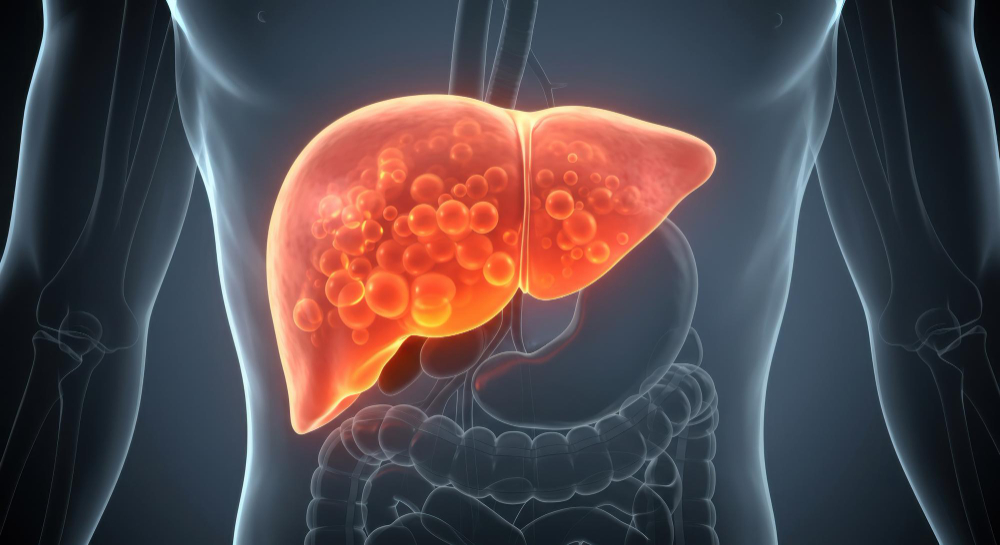
Nonalcoholic Fatty Liver Disease, or NAFLD, is a common liver condition. It happens when fat builds up in the liver of people who drink little or no alcohol. In fact, NAFLD is now the most common liver disease worldwide. According to the CDC, it affects about 25% of adults. Because it often has no symptoms, many people do not know they have it. Over time, NAFLD can lead to serious liver problems. For this reason, learning about fatty liver symptoms and liver health is important.
Common Symptoms
Many people with NAFLD do not notice any symptoms at first. However, some may feel mild discomfort. For example, you might notice:
Still, these signs can be easy to miss. Because of this, regular check-ups are helpful, especially if you have risk factors.
Main Causes and Risk Factors
NAFLD does not come from drinking alcohol. Instead, it is linked to other health issues. For instance, you are more likely to get NAFLD if you have:
Additionally, some people may develop NAFLD even without these problems. Genetics and age can also play a role. Therefore, it is important to know your risk.
How NAFLD is Diagnosed
Doctors use several steps to diagnose Nonalcoholic Fatty Liver Disease. First, they ask about your health and family history. Next, they may do a physical exam. Often, blood tests help check liver function. Sometimes, doctors use imaging tests like ultrasound or CT scans. In rare cases, a liver biopsy may be needed. Because NAFLD can be silent, early testing is key for fatty liver treatment.
Treatment and Management Options
There is no single medicine for NAFLD. However, treatment focuses on improving liver health and stopping the disease from getting worse. For most people, doctors suggest:
In some cases, doctors may treat related conditions. For example, they may help manage diabetes or high blood pressure. Regular follow-up visits are important to track progress.
Lifestyle Tips for Liver Health
Healthy habits can make a big difference. For better liver health, try these tips:
Moreover, talk to your doctor before starting any new diet or exercise plan. This helps ensure your plan is safe and effective.
Prevention Strategies
Preventing NAFLD is possible for many people. To lower your risk, you can:
Because NAFLD often has no symptoms, regular check-ups are important. Early action can protect your liver for years to come.
In summary, Nonalcoholic Fatty Liver Disease is common but often silent. However, you can take steps to protect your liver. Consult a gastroenterologist Dr. Sandeep Kumar for personalized advice on Nonalcoholic Fatty Liver Disease.