Introduction
Colon polyps are small growths that form on the inner lining of the colon. While most polyps are harmless, some can turn into colorectal cancer over time. Because of this, early detection is very important. Many people do not notice colon polyp symptoms at first. However, regular screening helps lower colorectal cancer risk. Preventing colon polyps is possible with healthy habits and timely check-ups. In this blog, you will learn what colon polyps are, their symptoms, and how to prevent them.
What Are Colon Polyps?
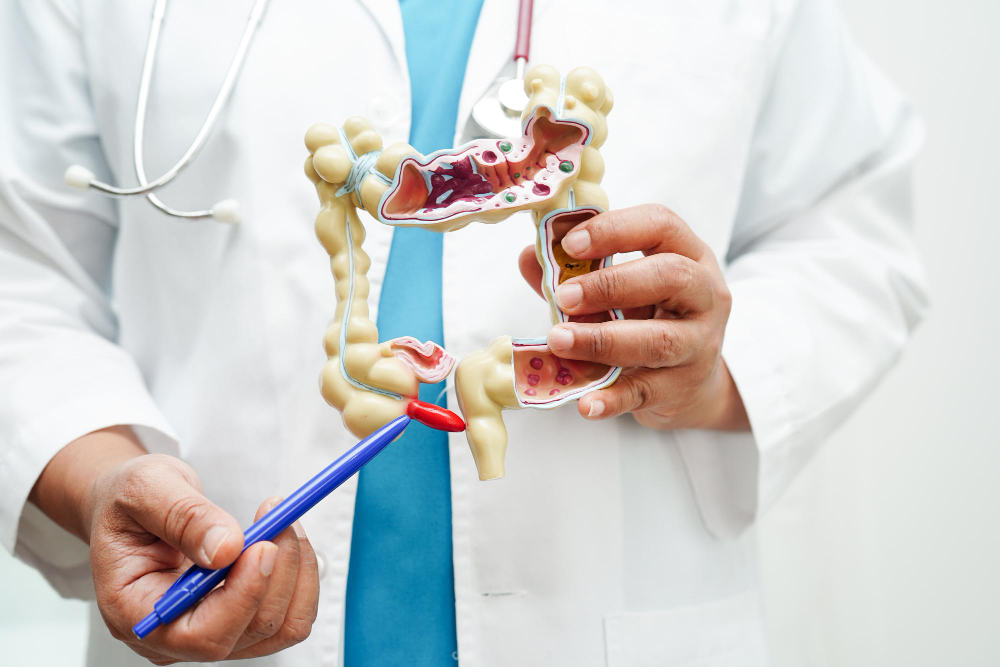
Colon polyps are lumps that grow on the lining of the colon or rectum. Some polyps are flat, while others look like small mushrooms. Most polyps are not cancerous. However, certain types, like adenomatous polyps, can become cancer if left untreated. Because polyps often grow slowly, finding them early gives you the best chance to prevent problems.
Symptoms and Risk Factors
Often, colon polyps do not cause any symptoms. Still, some people may notice:
However, many polyps are found during routine screening. Several factors can increase your risk of developing colon polyps and colorectal cancer. For example:
Importance of Early Detection
Early detection of colon polyps can save lives. Because polyps can turn into cancer over time, finding and removing them early helps prevent colorectal cancer. According to the CDC, regular screening can lower your risk of dying from colorectal cancer. In fact, most cases of colon cancer start as polyps. Therefore, screening is a key step in staying healthy.
Diagnosis Methods
Doctors use several methods to find colon polyps. Some common tests include:
Because some polyps do not cause symptoms, regular screening is important, especially for people over 45 or those with risk factors.
Prevention Strategies
While you cannot control every risk factor, you can take steps to lower your chances of developing colon polyps. For example:
Because prevention is better than cure, these steps can help protect your colon health.
Lifestyle Tips for Colon Health
Simple changes in your daily routine can make a big difference. For instance:
Additionally, talk to your doctor about your personal risk and the best screening plan for you.
When to See a Doctor
If you notice blood in your stool, ongoing changes in bowel habits, or unexplained weight loss, see a doctor right away. Even if you feel fine, regular screening is important, especially if you are over 45 or have a family history of colon polyps or colorectal cancer. Early action can help prevent serious problems later.
For personalized advice on colon polyp screening and prevention, consult a gastroenterologist Dr. Sandeep Kumar . Your doctor can help you choose the best steps for your health.