
What Is Bloating After Meals?
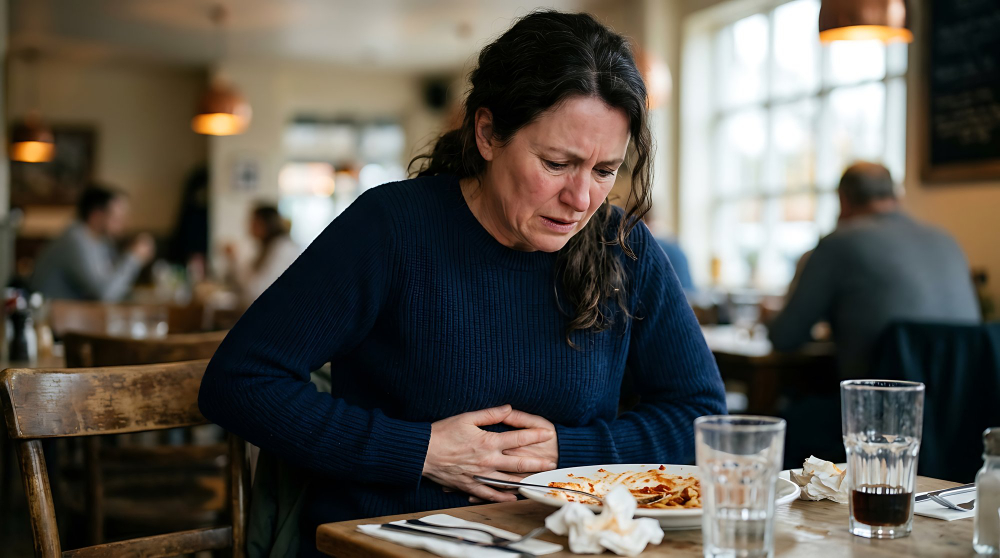
Bloating after meals is a feeling of fullness or swelling in your belly. Many people notice this after eating. Sometimes, it feels like your stomach is tight or puffy. For some, it may cause mild discomfort. For others, it can be painful. Often, bloating after meals is linked to how your body digests food. However, it can also signal other health issues. Understanding why this happens can help you manage your digestive health better.
Common Causes of Bloating After Eating
There are many causes of bloating after eating. Some are simple and easy to fix. Others may need medical attention. Here are some common reasons:
Because many factors can cause bloating, it is important to notice when and how often it happens.
Symptoms Associated with Bloating
Bloating after meals can come with other symptoms. For example, you might notice:
Sometimes, bloating is mild and goes away on its own. However, if you have severe pain, vomiting, or blood in your stool, you should see a doctor. These symptoms may point to a more serious problem.
How Is Bloating Diagnosed?
Doctors use several steps to find the cause of bloating after meals. First, they ask about your eating habits and symptoms. Next, they may do a physical exam. Sometimes, doctors order tests to check your digestive health. These tests can include:
Because many things can cause bloating, your doctor may ask you to keep a food diary. This helps find patterns and possible triggers.
When to Seek Medical Advice for Bloating
Most bloating after meals is not dangerous. Still, there are times when you should see a doctor. For instance, seek help if you have:
Additionally, if bloating affects your daily life or gets worse over time, it is best to get checked. Early care can help find and treat causes of bloating after eating.
Tips to Prevent and Manage Bloating After Meals
There are simple ways to help prevent and manage bloating after meals. Try these tips for better digestive health:
Because everyone is different, what works for one person may not work for another. If you have questions about how to prevent bloating after meals, a healthcare provider can help you find answers that fit your needs.
Conclusion
If bloating after meals is bothering you or affecting your daily life, Dr. Sandeep Kumar is here to help. Schedule a consultation today to get answers and support for your digestive health.
If bloating after meals is causing you discomfort, Dr. Sandeep Kumar can help. Book a consultation today to discuss your symptoms and get the care you need.
If bloating after meals is causing you discomfort, Sandeep Kumar can help. Book a consultation today to discuss your symptoms and get the care you need.