What Is Drug-Induced Liver Injury?
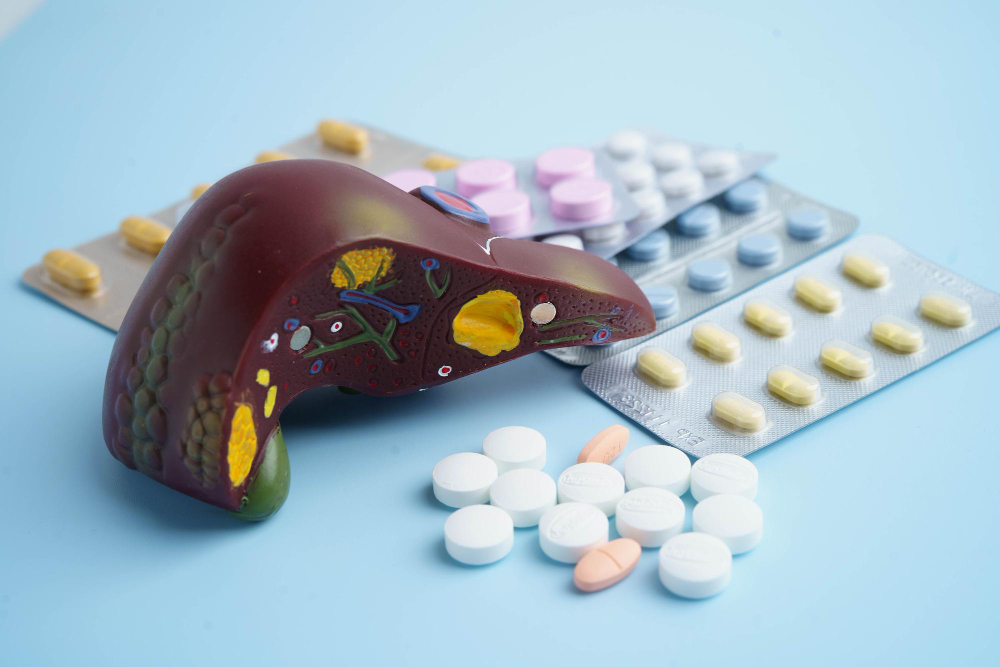
Drug-induced liver injury, or DILI, happens when medicines harm the liver. The liver helps your body break down drugs, but sometimes these drugs can damage liver cells. As a result, the liver may not work as well. For example, some people may feel sick after taking certain medicines. According to the Centers for Disease Control and Prevention (CDC), DILI is a leading cause of sudden liver problems. Even though most medicines are safe, some can cause issues, especially if taken in high doses or mixed with other drugs.
Common Symptoms of Drug-Induced Liver Injury
Often, signs of liver injury from drugs can be hard to spot at first. However, knowing the symptoms can help you act quickly. Early treatment can prevent serious problems. Watch for these signs:
Sometimes, symptoms appear days or weeks after starting a new medicine. Therefore, it is important to tell your doctor about any new symptoms.
Causes and Risk Factors
Many medications can cause liver damage. For instance, some antibiotics, painkillers, and herbal supplements may lead to problems. Acetaminophen (Tylenol) is a common cause when taken in large amounts. In addition, mixing alcohol with certain drugs increases the risk. Some people are more likely to get DILI. Risk factors include:
Because everyone is different, not all people react the same way to medicines. Always check with your doctor before starting new drugs.
How Drug-Induced Liver Injury Is Diagnosed
Doctors use several steps to find out if a medicine is hurting your liver. First, they ask about your symptoms and what medicines you take. Next, they may do blood tests to check liver function. These tests look for high levels of liver enzymes, which can mean liver damage. Sometimes, doctors use imaging tests like ultrasound to see the liver. In rare cases, a liver biopsy may be needed. This test takes a small sample of liver tissue for study. Because many things can cause liver problems, doctors rule out other causes before diagnosing DILI.
Treatment Options for Drug-Induced Liver Injury
Once doctors find drug-induced liver injury, they usually stop the medicine causing the problem. Often, the liver heals on its own after stopping the drug. However, in some cases, treatment may be needed. Treatment options include:
Because early action helps, always talk to your doctor if you notice symptoms. Most people recover fully when the problem is caught early.
Tips for Preventing Drug-Induced Liver Injury
There are steps you can take to lower your risk. For example, always follow your doctor’s instructions when taking medicine. Here are more ways to prevent liver problems from medicine:
Because some herbal products can also harm the liver, check with your doctor before using them. This helps protect your liver from medication side effects.
Lifestyle Guidance for Liver Health
Besides being careful with medicines, healthy habits support your liver. For instance, eating a balanced diet helps your liver work well. Try these tips:
Because the liver is vital for your health, caring for it is important. Regular check-ups with your doctor can also help catch problems early. By following these steps, you can help protect your liver from medication side effects and stay healthy.
Conclusion
If you have concerns about your liver or medicines, Dr. Sandeep Kumar and our team are here to help. Book a consultation today to get expert advice and protect your liver health.