
Introduction
Gallbladder stones, also called gallstones, are a common health problem. They can cause pain and other symptoms. Many people do not know they have them until symptoms appear. Early knowledge helps you seek the right care. In this blog, you will learn about gallbladder stones, their causes, symptoms, diagnosis, treatment, and how to prevent them.
What Are Gallbladder Stones?
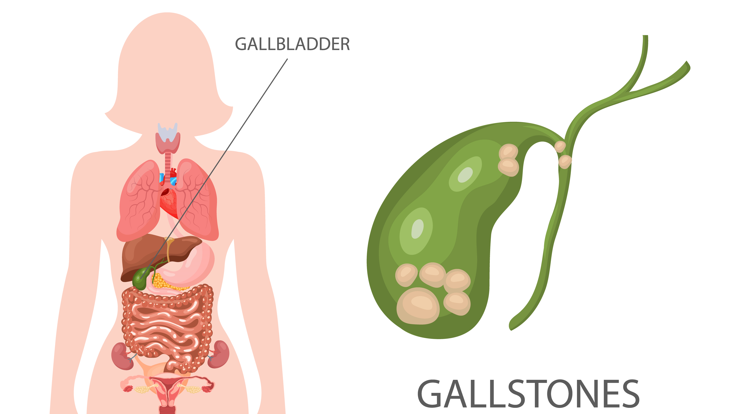
Gallbladder stones are hard pieces that form inside your gallbladder. The gallbladder is a small organ under your liver. It stores bile, which helps digest fat. Sometimes, substances in bile, like cholesterol or bilirubin, stick together. Over time, these clump into stones. Gallstones can be as small as a grain of sand or as large as a golf ball. Some people have one stone, while others may have many.
Causes of Gallbladder Stones
There are several reasons why gallbladder stones form. Understanding these causes can help you lower your risk. For example, certain factors make some people more likely to get gallstones.
Other risk factors include:
Symptoms of Gallbladder Stones
Many people with gallbladder stones have no symptoms. These are called “silent” stones. However, when a stone blocks a duct, symptoms may appear. For instance, you may notice pain or discomfort.
Usually, the pain starts after a meal and can last from minutes to hours. If you have severe or lasting pain, seek medical help right away.
Diagnosis of Gallbladder Stones
Doctors use several methods to find gallbladder stones. Early diagnosis can help prevent problems. For example, your doctor may start with a physical exam and ask about your symptoms.
With these tests, your doctor can confirm if you have gallstones and decide on the best treatment.
Treatment Options for Gallbladder Stones
Treatment depends on your symptoms and the size of the stones. Some people do not need treatment if they have no symptoms. However, if you have pain or other problems, your doctor may suggest one of these options:
For those looking for gallbladder stone treatment in their area, consult a local healthcare provider for the best options.
Prevention Tips for Gallbladder Stones
Although you cannot always prevent gallbladder stones, some steps can lower your risk. For example, making healthy choices every day can help.
By following these tips, you can help protect your gallbladder and overall health.
When to See a Doctor
It is important to know when to seek medical help. For instance, see a doctor if you have:
Early treatment can prevent serious problems. Do not wait if you have these warning signs.
Conclusion
Gallbladder stones are common but can be managed with the right care. Knowing the causes, symptoms, and treatment options helps you make informed choices. If you think you may have gallstones, consult Dr. Sandeep Kumar for personalized advice on gallbladder stones.