
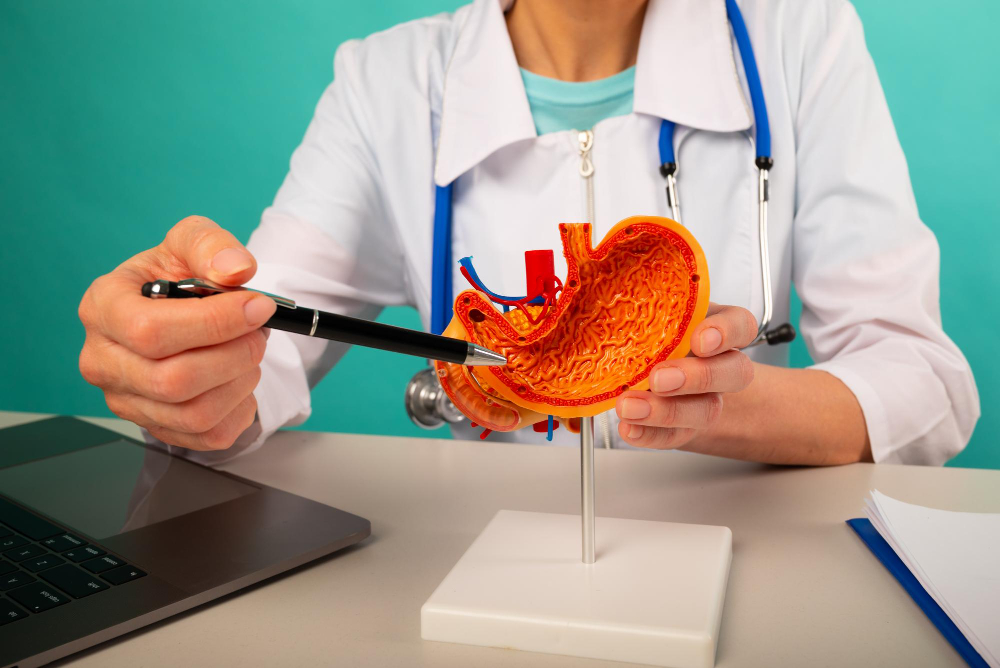
What is a Gastroscopy Procedure?
A gastroscopy procedure is a simple test that helps doctors look inside your food pipe, stomach, and the first part of your small intestine. During this test, a thin, flexible tube with a small camera is gently passed through your mouth and down your throat. This camera sends pictures to a screen, so your doctor can see any problems. Because the gastroscopy procedure is quick and safe, many people have it done every year. Often, doctors use it to find out why you have stomach pain, heartburn, or trouble swallowing.
Key Uses of Gastroscopy
Doctors use the gastroscopy procedure for several important reasons. For example, it helps them:
Because gastroscopy uses a camera, it gives doctors a clear view inside your body. This helps them make the right diagnosis and plan the best treatment.
Main Benefits of Gastroscopy
There are many benefits to having a gastroscopy procedure. Some of the main advantages include:
Because of these benefits, gastroscopy is a trusted tool for doctors around the world. According to the World Health Organization, early detection with tests like gastroscopy can save lives.
What to Expect During the Procedure
Before your gastroscopy procedure, your doctor will explain what will happen. Usually, you will be asked not to eat or drink for several hours before the test. When you arrive, a nurse may spray your throat with a numbing medicine. Sometimes, you may get a mild sedative to help you relax.
During the procedure, you will lie on your side. The doctor will gently guide the thin tube through your mouth and into your stomach. You may feel a little pressure, but it should not hurt. The whole process usually takes less than 20 minutes. After the test, you will rest until the medicine wears off. Most people can go home the same day.
Safety and Risks
Gastroscopy is a safe procedure for most people. However, like any medical test, it does have some risks. These may include:
But, doctors and nurses are trained to handle these risks. They watch you closely during and after the procedure. If you have any concerns, you should talk to your doctor before the test.
Frequently Asked Questions
Conclusion and Next Steps
In summary, the gastroscopy procedure is a safe and effective way to diagnose and treat many digestive problems. It offers clear images, early detection, and quick recovery. If you have symptoms like stomach pain or trouble swallowing, a gastroscopy may help find the cause. For more information or to see if this test is right for you, consult a gastroenterologist Dr. Sandeep Kumar for personalized advice about gastroscopy.