
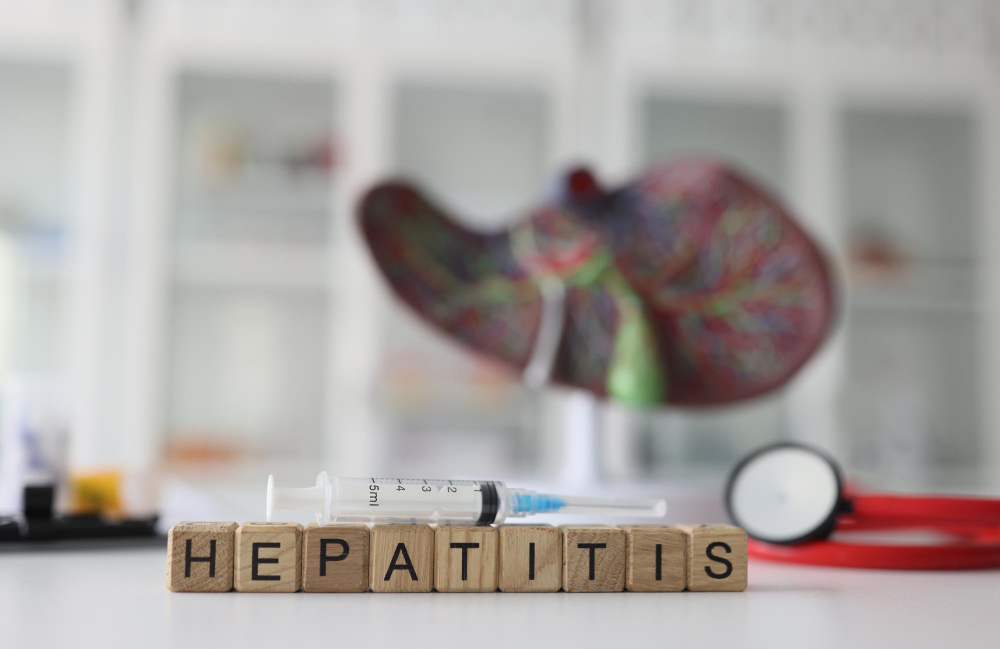
What is Hepatitis B?
Hepatitis B is a viral infection that affects the liver. Many people do not know they have it because symptoms can be mild or absent. However, the virus can cause serious liver problems over time. In fact, Hepatitis B is a leading cause of liver disease worldwide. According to the World Health Organization (WHO), millions of people live with chronic Hepatitis B. Some regions, like Asia and Africa, have higher rates of infection. Early detection is important because untreated Hepatitis B can lead to liver failure or cancer.
Symptoms of Hepatitis B
Often, Hepatitis B does not cause symptoms right away. Because of this, it is called a “silent” threat. Still, some people may notice signs weeks or months after infection. For example, symptoms can include:
However, chronic Hepatitis B symptoms may be even less noticeable. Over time, the virus can damage the liver without clear warning signs.
Causes and Risk Factors
Hepatitis B spreads through contact with infected blood or body fluids. For instance, you can get it by:
Some people have a higher risk. These include healthcare workers, people with multiple sexual partners, and those living in areas where Hepatitis B is common. Additionally, people with weak immune systems are more likely to develop chronic infection.
How Hepatitis B is Diagnosed
Doctors use blood tests to diagnose Hepatitis B. These tests look for the virus or signs that your body is fighting it. Sometimes, doctors may also check your liver function. In some cases, imaging tests or a liver biopsy may be needed to see if there is liver damage. Early diagnosis helps prevent serious problems. If you think you are at risk, talk to your doctor about getting tested.
Treatment Options for Hepatitis B
Treatment for Hepatitis B depends on whether the infection is acute (short-term) or chronic (long-term). Most people with acute Hepatitis B recover without treatment. However, chronic Hepatitis B may need medicine to control the virus and protect the liver. Common hepatitis B treatment options include:
In rare cases, people with severe liver damage may need a liver transplant. Always follow your doctor’s advice for the best results.
Prevention and Lifestyle Tips
Preventing Hepatitis B is possible. The best way is through vaccination. The Hepatitis B vaccine is safe and effective. In addition, you can lower your risk by:
Furthermore, healthy habits can protect your liver. For example, eat a balanced diet, exercise regularly, and avoid alcohol or drugs that harm the liver.
When to See a Doctor
If you think you have been exposed to Hepatitis B, see a doctor right away. Early care can prevent serious problems. Also, if you notice symptoms like jaundice, dark urine, or severe fatigue, seek medical help. People with chronic Hepatitis B should visit their doctor regularly for check-ups. Remember, early action can protect your health and the health of others.
For personalized advice on Hepatitis B, consult Dr. Sandeep Kumar.